- Blow On The Cartridge
- Posts
- Destruction Derby
Destruction Derby
Twenty cars, one bowl, pure chaos from 1995
In partnership with

PRESS START
An Introduction To Today’s Game

In October 1995, Reflections Interactive invited PlayStation owners to do something racing games had never truly celebrated: total, unapologetic automotive destruction.
Destruction Derby wasn't just another racing game competing with Ridge Racer and WipEout, it was a completely different beast. This was vehicular combat wrapped in a racing sim's body, where causing a spectacular 12-car pile-up earned more respect than crossing the finish line first.
The game arrived as one of PlayStation's early showcases, proving the console could handle up to 20 cars on screen while calculating real-time damage physics. It was audacious, technically impressive, and spawned an entire genre that game developers are still mining for ideas today.

BEHIND THE PIXELS
Let’s Dive Into The Game
Destruction Derby is a vehicular combat racing game that splits its personality across four distinct modes.
Stock Car Racing plays it straight, traditional laps where position matters most. Time Trial offers solo speed runs. Wreckin' Racing combines both philosophies, awarding points for race placement and destruction.
Then there's the mode that gives the game its name, Destruction Derby, an arena-based demolition spectacle called The Bowl where 20 cars enter and only twisted metal leaves.

The game's foundation rests on its physics system, a deliberate choice by director Martin Edmondson who believed realistic collision detection was essential. Without it, the game would feel random and frustrating.
Producer Tony Parks simplified these physics to compensate for PlayStation's digital controller while maintaining that crucial balance between realism and playability.
Every impact matters. Front-end collisions damage your radiator, causing overheating. Side hits affect steering. Rear bumps compromise your speed. The HUD shows a diagram of your vehicle with green arrows marking different sections, each gradually turning red as damage accumulates.

Racing takes place across five compact tracks designed with one goal, maximizing carnage. Narrow corridors force confrontation.
Figure-eight layouts guarantee mid-race intersections where pile-ups become inevitable. The developers deliberately kept tracks small to maintain high car density, ensuring you're never far from your next collision.
Courses range from urban streets to dusty ovals, each presenting unique opportunities for strategic destruction.
The Bowl arena is where Destruction Derby's personality shines brightest. Twenty cars, a circular arena, no laps, just survival and point accumulation. You earn points by forcing opponents into spins or complete wrecks. Bonus multipliers reward spectacular crashes.

The strategy involves balancing aggression with self-preservation. Go too hard and your radiator explodes. Play too cautious and you'll get surrounded. Success requires reading traffic patterns, timing your attacks, and knowing when to retreat for breathing room.
Vehicle damage is modeled in real-time. Doors hang loose, hoods fly off, fires erupt from engines. This was pretty new and impressive for those days. The game supports up to 20 cars simultaneously, a technical achievement in 1995 that only Daytona USA had previously matched on consoles.
Night variants add visual variety to otherwise sparse tracks. The techno soundtrack pulses with high-octane energy, though the five-clip commentator loop becomes repetitive quickly.
Become the go-to AI expert in 30 days

AI keeps coming up at work, but you still don't get it?
That's exactly why 1M+ professionals working at Google, Meta, and OpenAI read Superhuman AI daily.
Here's what you get:
Daily AI news that matters for your career - Filtered from 1000s of sources so you know what affects your industry.
Step-by-step tutorials you can use immediately - Real prompts and workflows that solve actual business problems.
New AI tools tested and reviewed - We try everything to deliver tools that drive real results.
All in just 3 minutes a day
WHERE TO PLAY
The original copy or emulation will be your best bet in playing this.
Original Copies of the Game (All prices in USD)
Loose: $6
Complete: $20
New/Sealed: $55
GAME INFORMATION
|  |
Cover Art

One Platform. Every Product.

Build courses, coaching, communities, memberships, and more. All in one place. Kajabi gives real experts a single system to launch, sell, and scale, without juggling tools or breaking momentum.
RETRO HARDWARE
Reading about retro games is great, but playing them is the real goal. This new Retro Hardware section is about easy, affordable ways to get those classics running without the headache.

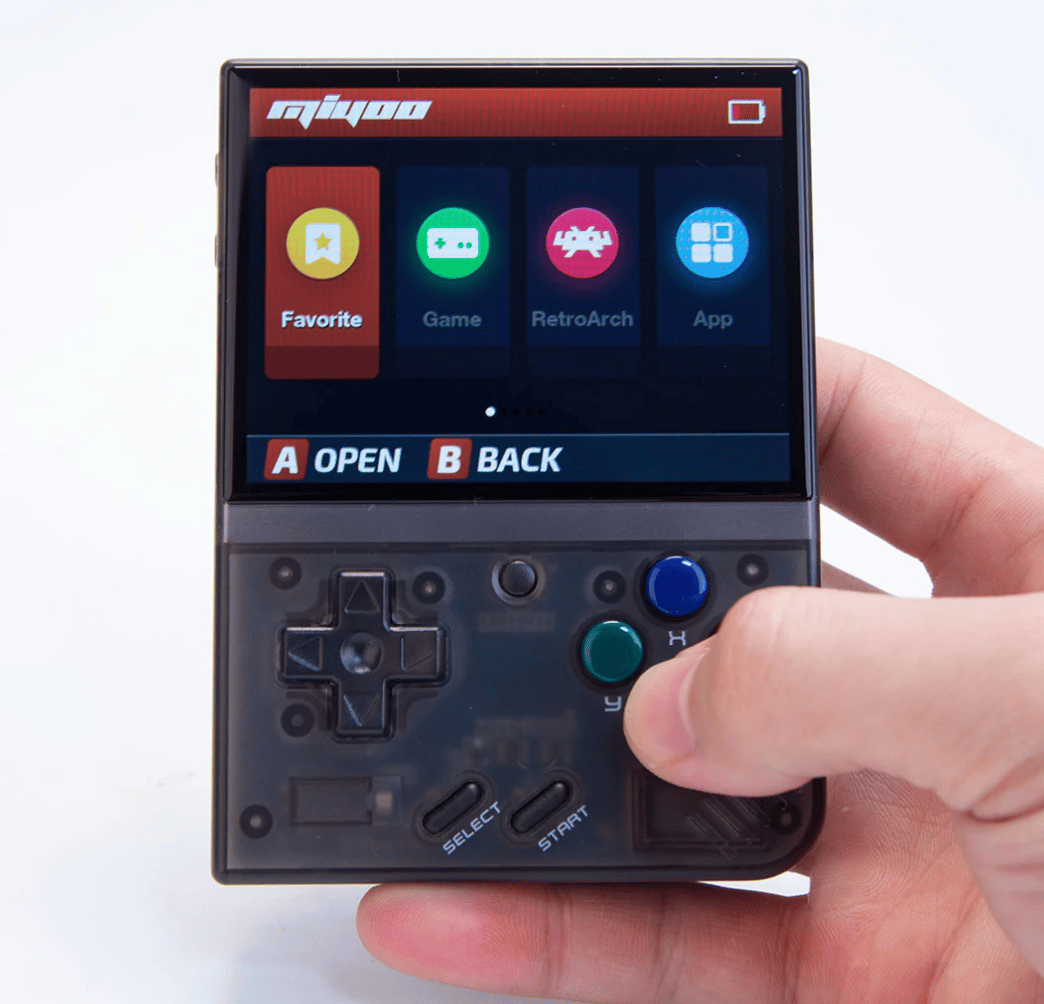
Miyoo Mini Plus
The Miyoo Mini Plus. My first retro device I ever bought. Slightly bigger than the original Miyoo Mini, the Plus model adds a larger screen and a more comfortable grip, making it easy to toss in a bag and take on the go when I dare to leave my protective man cave. (Still scary.)
The Miyoo Mini Plus is an entry-level retro handheld, but in the best possible way. It excels at playing classic systems like NES, SNES, Game Boy, Game Boy Color, Game Boy Advance, Sega Genesis, and a massive arcade library, all of which run great. It’s simple, affordable, and perfect for anyone looking to dip their toes into retro gaming without overcomplicating things.
My readers can use the following code for a 12% discount: NY12
Click either of the pictures to take you to the website.
Some links in this section are affiliate links. If you buy through MECHDIY, I may earn a small commission at no extra cost to you.
GAME OVER
Why You Should Play This
Destruction Derby sits in gaming history as a technical showcase and genre pioneer rather than an enduring classic. Its real-time vehicle deformation impressed in 1995, demonstrating PlayStation's power while introducing a gameplay loop focused on destruction over traditional racing.
Playing it today reveals the cracks nostalgia can hide. Controls feel loose and imprecise. AI opponents exhibit frustrating patterns. The limited track selection wears thin. That punishing damage system, while realistic, often feels more annoying than strategic. The Bowl mode remains the highlight, delivering genuine moments of chaotic satisfaction when you nail a perfect T-bone or trigger a massive pile-up. It's fun in short bursts, less engaging in extended sessions.
The game's legacy lives through spiritual successors like Burnout, FlatOut, and Wreckfest. Just remember, this is automotive archaeology, a game more interesting to study than to marathon. Sometimes the most important games aren't the most timeless, they're the ones that showed everyone what was possible.


Reply