- Blow On The Cartridge
- Posts
- Pilotwings
Pilotwings
The flight sim that proved Mode 7 wasn't just a gimmick
In partnership with

PRESS START
An Introduction To Today’s Game

Pilotwings arrived on the Super Nintendo in 1991, and instead of dogfights or white-knuckle races, Nintendo handed us a biplane, a hang glider, a rocket belt, and a skydiving lesson with one simple instruction: don't crash.
This wasn't your typical launch title. While other games screamed for attention with explosions and speed, Pilotwings took a different approach. It asked players to master precision, patience, and the art of sticking a landing without turning into a crater.
The Mode 7 graphics twisted beneath you, instructors judged your every move, and somehow, trying to land a hang glider on a tiny target became one of the most thrilling experiences on the console.
BEHIND THE PIXELS
Let’s Dive Into The Game
Pilotwings is a flight simulation game, but calling it that doesn't quite capture what Nintendo pulled off here.
You're a student at an amateur flight club, working through eight lessons to earn your pilot's license. Each lesson throws you into different aerial challenges using four main activities: light plane flight, hang gliding, skydiving, and the rocket belt.
The goal sounds simple enough. Fly through rings, hit targets, and land safely within a time limit. Your performance gets scored on accuracy, timing, angle, and a handful of other criteria. Rack up enough points across all events in a lesson, and you move forward. Fall short, and you're doing it again.

The light plane handles like you'd expect, requiring speed management and careful turns to navigate courses and nail runway landings. Skydiving starts easy, three rings and a target, but by Lesson 4 you're threading through eight rings while managing wind conditions and trying not to overshoot your landing zone.
The hang glider introduces thermals, updrafts that shoot you skyward, and landing this thing without slamming into the ground takes practice. Then there's the rocket belt, essentially a jetpack that lets you move in any direction. It's the most forgiving vehicle since you can circle back if you miss something, though fuel management keeps you honest.
The skydiving was my personal favorite of the events. My cousin Cal and I would spend hours redoing this missions to see who got the best landing.

What made Pilotwings stand out was Mode 7, the Super Nintendo's ability to rotate and scale flat graphics to simulate three-dimensional space. The ground stretches out below you, scaling up as you descend, and the effect sold the sensation of flight in ways the NES never could.
Buildings, runways, and trees sat painted on a flat plane, but from altitude it worked. Nintendo built the entire game around this tech, and it paid off.
Controls use three buttons at most, but there's depth here for players chasing perfect scores. The physics feel authentic enough that small adjustments matter.
Wind affects your trajectory, momentum carries you forward, and landing requires flaring at just the right moment. The difficulty ramps up quickly, especially in Lesson 3 when thermal currents complicate hang gliding, and Lesson 4's skydiving demands precision under pressure.

Passwords let you save progress between lessons, though you can't save mid-lesson, which means one bad event can tank an otherwise solid run. This is something that will happen A LOT, so get used to this feature.
The game also throws in two helicopter missions that shift into combat, rescuing your instructors from enemy territory. They feel out of place tonally, but they're mechanically sound and add variety to the structure.
The soundtrack, composed by Soyo Oka, matches the vibe perfectly. Jazzy, mellow, and just atmospheric enough to make tooling around in a rocket belt feel zen. It’s still one of my favorite SNES soundtracks and something I put on in the background while writing the newsletter pretty frequently.

Tech moves fast, but you're still playing catch-up?
That's exactly why 200K+ engineers working at Google, Meta, and Apple read The Code twice a week.
Here's what you get:
Curated tech news that shapes your career - Filtered from thousands of sources so you know what's coming 6 months early.
Practical resources you can use immediately - Real tutorials and tools that solve actual engineering problems.
Research papers and insights decoded - We break down complex tech so you understand what matters.
All delivered twice a week in just 2 short emails.
GAME INFORMATION
|  |
WHERE TO PLAY
Nintendo Switch Online - SNES app.
Original Copies of the Game (All prices in USD)
Loose: $10
Complete: $48
New/Sealed: $250
COVER ART

RETRO NEWS
Neo Geo Returns in Authentic Form
A new $250 Neo Geo+ AES replica promises true hardware accuracy and cartridge support. Read more here
Classic PSP SNES Emulator Revival
A beloved PSP SNES emulator returns with major performance boosts and new features. Read more here
Twilight Princess Gets Two PC Ports
Two separate fan teams are building native PC versions of Twilight Princess. Read more here
Daily news for curious minds.
Be the smartest person in the room. 1440 navigates 100+ sources to deliver a comprehensive, unbiased news roundup — politics, business, culture, and more — in a quick, 5-minute read. Completely free, completely factual.
GAME OVER
Why You Should Play This
The Mode 7 visuals look dated compared to modern 3D, and the controls take adjustment, especially for players used to analog sticks.
Skydiving can feel finicky, and once you've mastered the eight lessons, there's not much reason to return unless you're chasing higher scores. But here's the thing, this game still does something most flight sims don't. It makes flying feel approachable without dumbing it down.
The challenge stays fair, the physics feel right, and there's genuine satisfaction in nailing a perfect landing after a dozen failed attempts.
You can play it today on Nintendo Switch Online, which makes jumping in easier than ever. It's a piece of SNES history that proved Mode 7 wasn't just a tech demo gimmick.
It was a way to create entirely new gameplay experiences. If you've never strapped on a rocket belt and threaded through floating rings while smooth jazz plays in the background, you're missing out on one of Nintendo's weirdest, most confident experiments.

SUPPORT
This is a passion project made with love, and every open or read means the world.
If you’d like to show extra support, you can use the button below.
RETRO HARDWARE
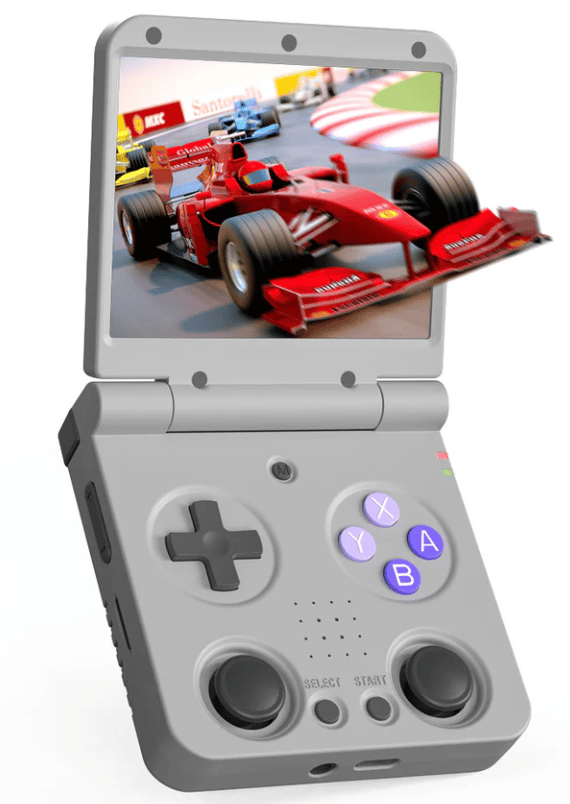
Miyoo Flip V2 Retro Handheld Game Console
The Miyoo Flip V2 is a tiny clamshell retro handheld that lets you carry a whole library of classic games in your pocket. With a bright screen, solid controls, and the nostalgic flip design we all remember, it’s perfect for quick gaming sessions anywhere. Click the picture to check it out. My readers can use the following code for a 12% discount: NY12
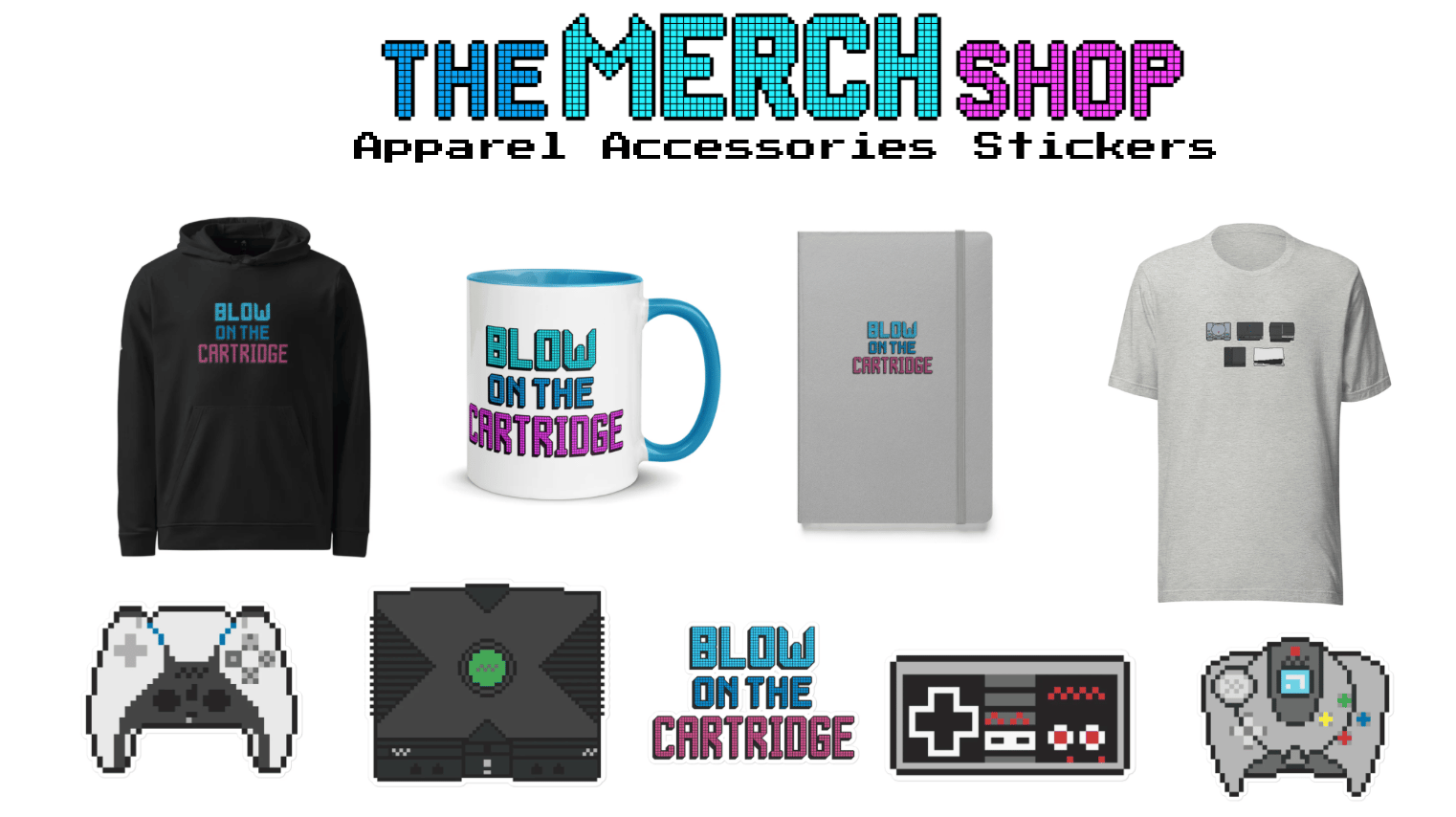
Our merch shop is online! Check out the new designs below.
Reply