- Blow On The Cartridge
- Posts
- The Simpsons
The Simpsons
The one Simpsons game everyone agrees on
In partnership with

PRESS START
An Introduction To Today’s Game

Picture yourself in a pizza joint, a movie theater lobby, or any mall arcade in 1991.
There it is: a wide cabinet, four joysticks, and a screen full of Springfield. You couldn’t escape it. This game was everywhere.
The Simpsons arcade game arrived just as the show was becoming a cultural phenomenon, and Konami knew exactly what they had. It was loud, colorful, and it consumed quarters at a rate your allowance could not support. Somehow, that was part of the fun.
Konami knew the genre cold, they'd already proven it with their Teenage Mutant Ninja Turtles cabinet, the sequel Turtles in Time and the legendary X-Men six-player behemoth were just around the corner. It was a golden age for the beat-'em-up, and nobody was cashing in on it more ruthlessly, or more brilliantly, than Konami.
The Simpsons remains one of the more iconic beat’em ups from this era and something I was looking forward to revisiting.

BEHIND THE PIXELS
Let’s Dive Into The Game
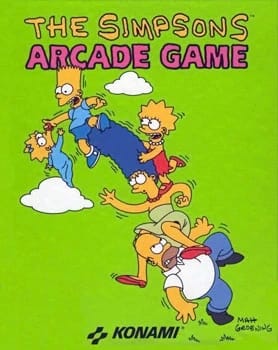
The Simpsons is a side-scrolling beat em up for up to four players, released by Konami in March 1991. The setup is classic Saturday morning material: Smithers steals a diamond for Mr. Burns, it lands in Maggie's mouth, and Smithers grabs her and runs.
Homer, Marge, Bart, and Lisa give chase across eight stages, fighting through waves of hired goons to reach the Springfield Nuclear Power Plant. That is the entire story, and it does not need to be anything more.

Each family member has a distinct weapon and attack style. Homer punches and kicks. Bart swings his skateboard. Lisa attacks with a jump rope. Marge wields a vacuum cleaner, which is exactly as chaotic as it sounds.
Controls are simple on purpose: one joystick, one attack button, one jump button. When two players stand close enough together, they can trigger a combined attack, such as Homer and Marge locking ankles to roll through enemies like a human bowling ball. These moments are brief but satisfying, and they reward players who pay attention rather than just mashing buttons.

Konami built this game on the same engine as their 1989 Teenage Mutant Ninja Turtles arcade game, which means the formula was already proven before the first cabinet shipped.
The stages pull from early Springfield locations including Krustyland, Moe's Tavern, the Springfield Cemetery, and the Nuclear Power Plant, giving the whole game a grounded, recognizable feel. Background details include nods to Season 1 episodes, cameos from minor characters, and even enemies pulled from Matt Groening's earlier comic strip Life in Hell.
These little details always led to people remaining around the game, even when it wasn’t their turn, to catch all the little details and easter eggs.

The visuals were striking for 1991, essentially a playable cartoon at a time when that was genuinely unusual.
Another cool detail was that original voice actors Dan Castellaneta, Julie Kavner, Nancy Cartwright, and Yeardley Smith all reprised their roles, mixing archival Season 1 recordings with new lines recorded specifically for the game.
The Year-End Moves No One’s Watching

Markets don’t wait — and year-end waits even less.
In the final stretch, money rotates, funds window-dress, tax-loss selling meets bottom-fishing, and “Santa Rally” chatter turns into real tape. Most people notice after the move.
Elite Trade Club is your morning shortcut: a curated selection of the setups that still matter this year — the headlines that move stocks, catalysts on deck, and where smart money is positioning before New Year’s. One read. Five minutes. Actionable clarity.
If you want to start 2026 from a stronger spot, finish 2025 prepared. Join 200K+ traders who open our premarket briefing, place their plan, and let the open come to them.
By joining, you’ll receive Elite Trade Club emails and select partner insights. See Privacy Policy.
WHERE TO PLAY
Emulation will be your best bet in playing this.
Arcade 1Up released a Simpsons cabinet in 2021, that incudes this game and Simpsons Bowling.
GAME INFORMATION
|  |
Cover Art
Daily news for curious minds.
Be the smartest person in the room. 1440 navigates 100+ sources to deliver a comprehensive, unbiased news roundup — politics, business, culture, and more — in a quick, 5-minute read. Completely free, completely factual.
RETRO HARDWARE
Reading about retro games is great, but playing them is the real goal. This new Retro Hardware section is about easy, affordable ways to get those classics running without the headache.

Miyoo Mini Plus
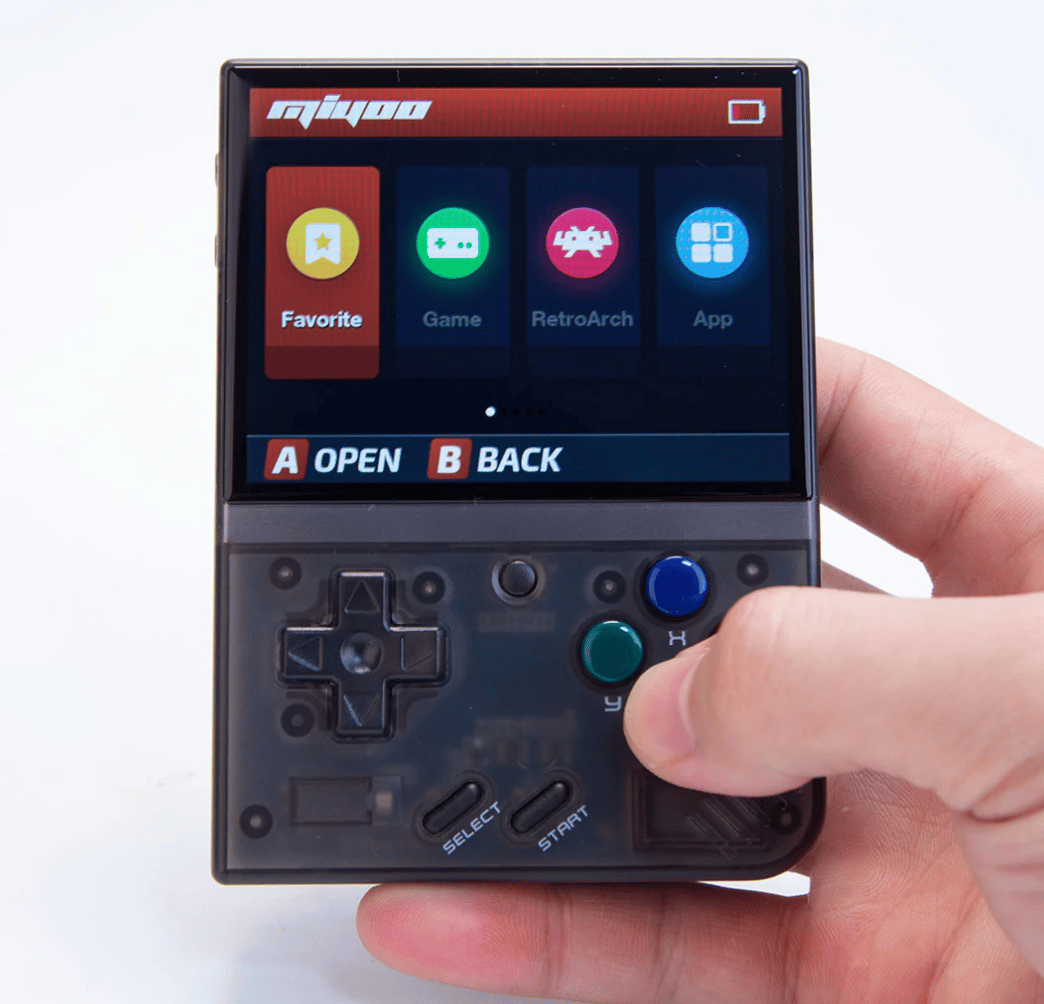
The Miyoo Mini Plus. My first retro device I ever bought. Slightly bigger than the original Miyoo Mini, the Plus model adds a larger screen and a more comfortable grip, making it easy to toss in a bag and take on the go when I dare to leave my protective man cave. (Still scary.)
The Miyoo Mini Plus is an entry-level retro handheld, but in the best possible way. It excels at playing classic systems like NES, SNES, Game Boy, Game Boy Color, Game Boy Advance, Sega Genesis, and a massive arcade library, all of which run great. It’s simple, affordable, and perfect for anyone looking to dip their toes into retro gaming without overcomplicating things.
My readers can use the following code for a 12% discount: NY12
Click either of the pictures to take you to the website.
Some links in this section are affiliate links. If you buy through MECHDIY, I may earn a small commission at no extra cost to you.
GAME OVER
Why You Should Play This
The honest case for playing it now is simple: it is a short, fun game that works best with other people in the room. Solo it feels thin. With three friends it still delivers the same social energy it always had.
Years ago when I worked at Blizzard, we had a team event at a local arcade. This game was there, and we didn't hesitate. I had no problem pumping in tokens to complete it with a coworker and I was happy to see the fun was still there even though the show itself had long since faded from my rotation.
It is not technically complex, and it does not pretend to be. It is a great excuse to get four people on a cabinet and argue about who gets to play Homer.


Reply